In regions prone to earthquakes, the safety of buildings and infrastructure is of paramount importance. The devastating effects of seismic activity can result in widespread destruction and loss of life if buildings are not properly designed to withstand such forces. One crucial component in ensuring the stability and safety of structures in earthquake-prone areas is the seismic brace.
A seismic brace, also known as a diagonal brace or sway brace, is a structural component used to provide lateral support and stability to buildings during seismic events. These braces are typically made of steel or reinforced concrete and are strategically placed within a building’s framework to prevent excessive swaying and potential collapse during earthquakes.
The primary function of seismic braces is to dissipate and redistribute the energy generated by seismic forces, effectively reducing the impact on the building’s main structural elements. By absorbing and redirecting lateral forces, seismic braces help to minimize the potential for structural damage and collapse, thus protecting the occupants inside and preserving the integrity of the building.
seismic braces are designed to withstand significant amounts of force and deformation without failing, making them essential components in the overall seismic design of a building. They work in conjunction with other seismic-resistant elements, such as shear walls, moment frames, and foundation anchorage, to provide a comprehensive structural system that can withstand the unpredictable forces of an earthquake.
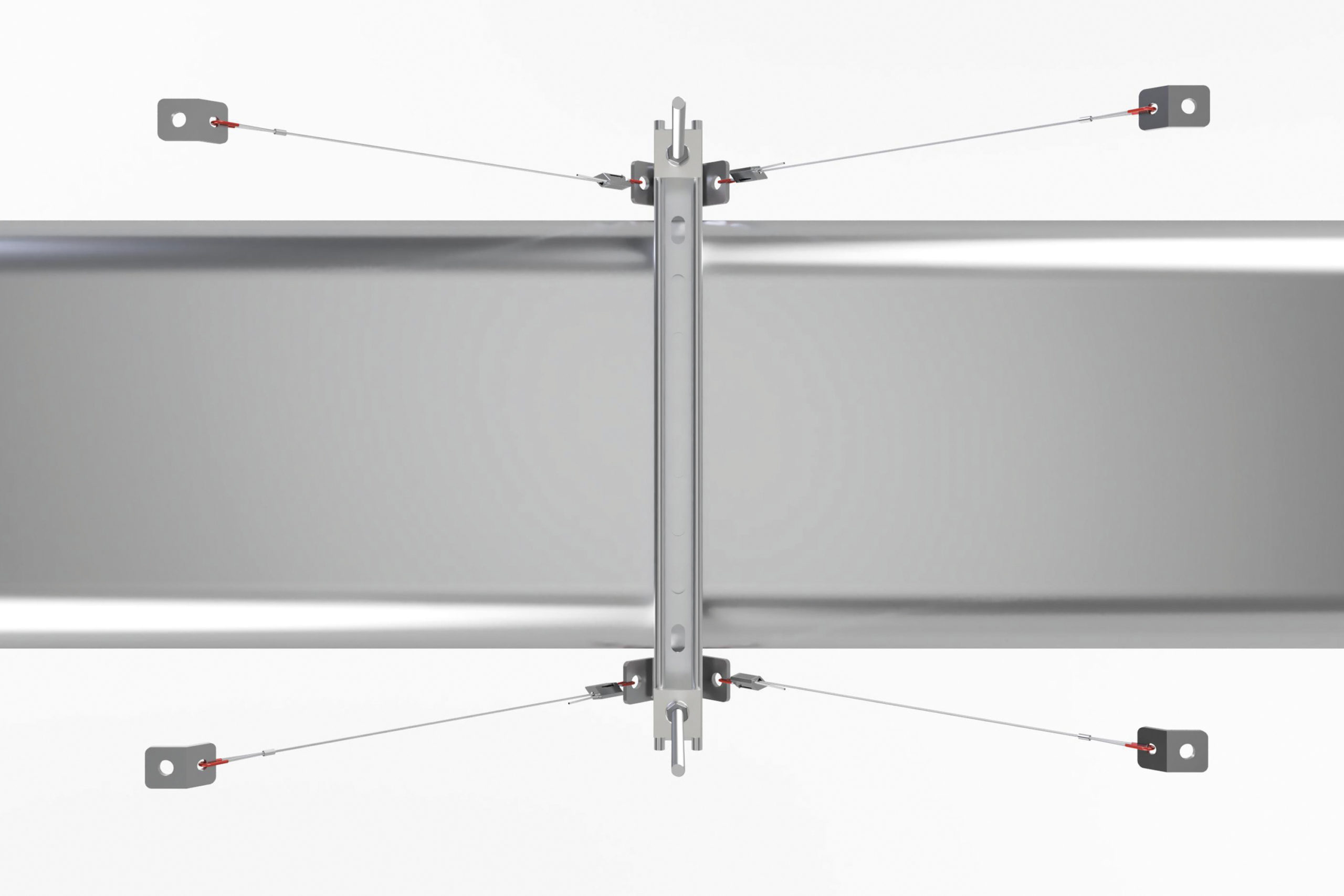
The placement of seismic braces within a building’s structure is critical to their effectiveness. Braces are often located in areas of high seismic risk, such as at building corners, elevator shafts, stairwells, and other vulnerable locations. By strategically positioning seismic braces in key areas, engineers can ensure that the building remains stable and secure during even the most severe seismic events.
In addition to providing lateral support, seismic braces also play a crucial role in maintaining the overall stiffness and rigidity of a building. The bracing system helps to distribute loads evenly throughout the structure, preventing localized points of stress that could lead to structural failure. By enhancing the overall stiffness of the building, seismic braces help to minimize deformation and displacement during earthquakes, further reducing the risk of damage and collapse.
The use of seismic braces is not limited to new construction projects. Existing buildings in earthquake-prone areas can also benefit from the installation of retrofit braces to improve their seismic resilience. Retrofitting older buildings with new seismic brace systems can help to bring them up to current safety standards, ensuring that they can withstand the forces of a major earthquake.
In addition to protecting buildings and infrastructure, seismic braces also play a critical role in ensuring the safety of occupants during seismic events. By stabilizing the structure and reducing the risk of collapse, seismic braces help to minimize the potential for injury or loss of life in the event of an earthquake. This added layer of protection is essential in regions where seismic activity is common and can make a significant difference in the overall safety and resilience of a building.
Overall, seismic braces are an essential component in the design and construction of buildings in earthquake-prone areas. By providing lateral support, dissipating energy, and maintaining structural integrity, seismic braces help to enhance the safety and stability of buildings during seismic events. Whether incorporated into new construction projects or retrofitted into existing buildings, seismic braces are a critical tool in ensuring the resilience of structures in the face of natural disasters.